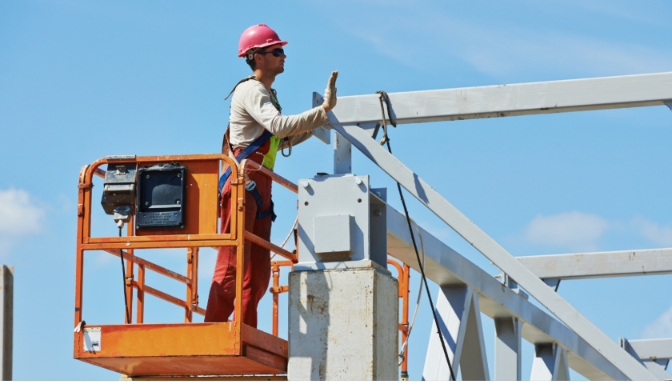
Kansas City metal fabrication services can be part of a safe rigging job when heavy equipment needs more than a lift and a truck. Sometimes a machine has to be braced before it moves. Sometimes a platform, guard, base, bracket, or support has to be modified so the equipment can be removed safely and installed correctly. The safest heavy equipment moves are planned as a whole job, not treated like a quick pickup. Before anyone chooses a forklift, crane, or gantry, the team needs to understand the machine itself. What does it weigh? Is the weight evenly distributed? Does it have a high center of gravity? Are there manufacturer-approved lifting points? Can it be moved as one piece, or does it need to be separated into sections? Those questions shape everything that follows. A press, lathe, packaging machine, tank, oven, or conveyor section may each need a different approach. Even two machines with similar weights can behave very differently once lifted. That is why careful field measuring, equipment review, and site planning matter so much.
A safe plan also looks at the building. Doorways, slab thickness, overhead clearance, aisle width, dock height, and turning space can all limit the move. The route through the plant should be walked slowly before the move begins. If a tight corner or uneven floor is discovered while the load is already moving, the crew has fewer good options.
How Kansas City metal fabrication services can support safe rigging
Fabrication is not always needed on a rigging project, but when it is, it can prevent a lot of trouble. Custom brackets, temporary supports, equipment stands, guards, access platforms, and base modifications may all help the move happen safely. The point is not to force the machine to fit the plan. The point is to build the right support around the machine. For example, a piece of equipment may need a temporary frame to keep it stable during transport. A line may need guarding removed and rebuilt after the move. A base may need adjustment before the machine can be anchored at the new location. These details are easy to underestimate until the schedule is tight and production is waiting. When fabrication and rigging teams coordinate early, the job tends to feel less improvised. Parts can be measured, made, staged, and checked before the move date. That gives everyone more control when the heavy work begins.
Lift slowly and control the load the whole time
Safe rigging is built around control. The crew should inspect all rigging gear before use, confirm rated capacities, and make sure sling angles are correct. The load should be raised just enough to test balance before it travels. If something looks wrong, the lift stops. There is no prize for pushing through a bad pick. Good communication matters just as much as good equipment. One qualified signal person should direct the move. The path should be clear. People who are not involved should stay outside the work zone. The crew should know the stop signal before the lift starts. For larger jobs, industrial machine relocation in Kansas City may involve skates, jacks, gantries, cranes, forklifts, cribbing, and transport equipment working together. The safest crews do not rush between those steps. They check the load at each transition because that is where many problems show up.
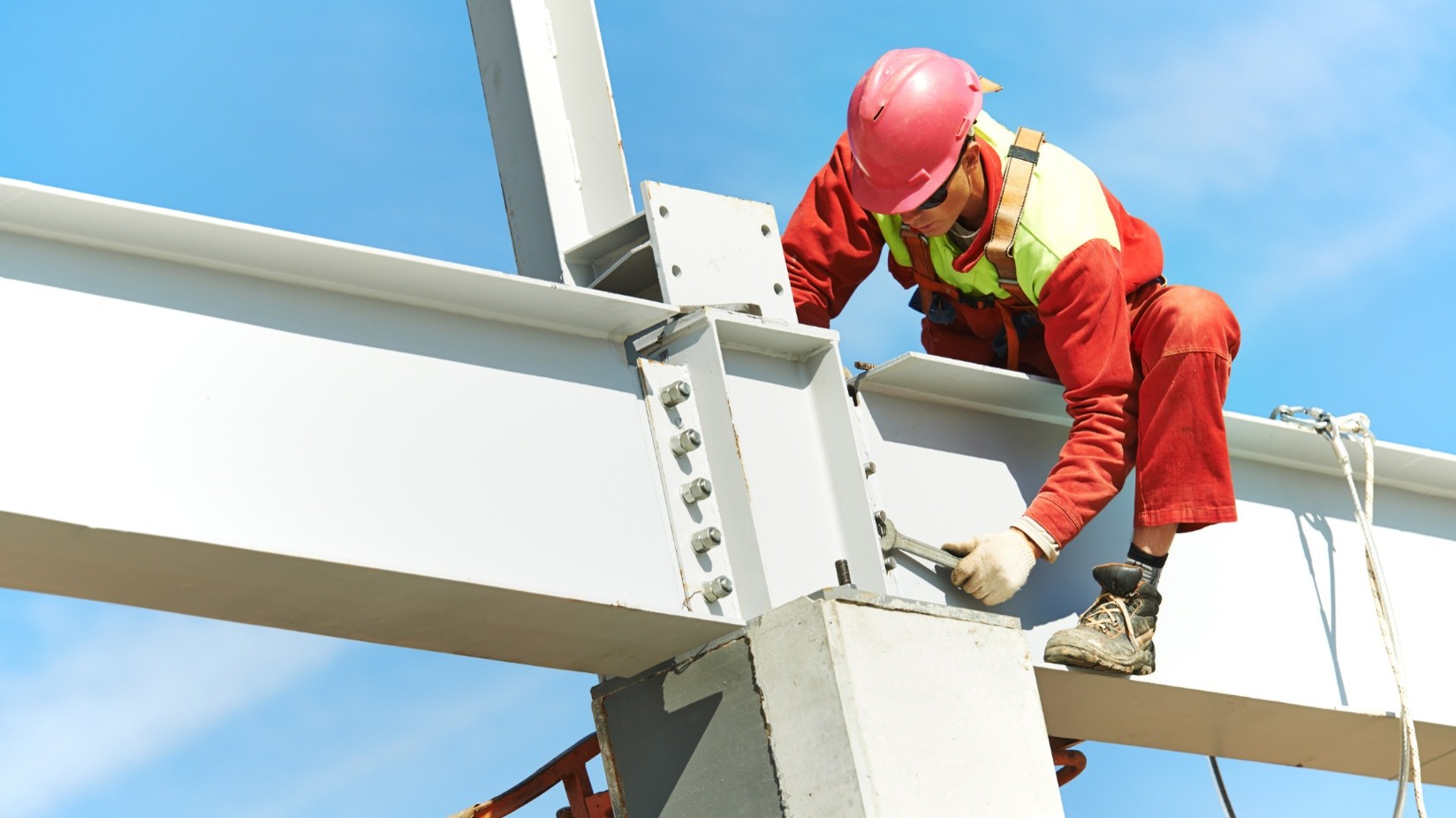
Rigging does not end when the machine lands
A machine can be moved safely and still cause trouble if it is not installed well. After placement, the crew needs to think about leveling, anchoring, alignment, clearances, guards, utilities, and test runs. A machine that is slightly out of level can vibrate, wear unevenly, or produce inconsistent results. That is why industrial machine installation in Kansas City often belongs in the same conversation as rigging. The move and the installation are connected. If the new foundation is not ready, the anchor pattern is wrong, or the utility runs are in the way, the move can stall at the worst time. This is also where millwright services in Kansas City matter. Millwrights understand the mechanical side of setting equipment back into production. They are thinking about how the machine will run on Monday morning, not just how it gets through the doorway on Friday night.
Watch the connected systems around the equipment
Heavy equipment rarely works alone. It may feed a conveyor, connect to ductwork, sit beside a mezzanine, or depend on precise alignment with upstream and downstream equipment. Moving one machine can expose problems with the systems around it. If conveyors are involved, a conveyor installation contractor in Kansas City can help confirm supports, elevations, belt path, guarding, and access points. That matters because conveyors often look forgiving until the line starts running. Then a small mismatch can create tracking issues, jams, or product damage. Maintenance planning also helps. During a move, parts of the machine are accessible in ways they usually are not. Bringing in industrial maintenance services in Kansas City during the project can make sense if the plant wants to inspect bearings, drives, belts, guards, or worn components before the equipment goes back into service.
The best heavy equipment moves feel steady. There is a plan, a clear lead person, the right tools, and enough time to do the work without guessing. That does not mean every job is easy. Industrial facilities always have surprises. But a prepared crew has a better chance of solving them without putting people or equipment at risk.Kansas City metal fabrication services can add another layer of control when the move requires custom support, repair, modification, or fit-up work. That is especially useful when older equipment, tight spaces, or changed layouts are involved. If your plant is planning a move, think beyond the lift. Ask how the machine will be prepared, supported, transported, set, aligned, guarded, and tested. Safe rigging is not one dramatic moment. It is a chain of practical decisions, and every link matters. With the right planning, Kansas City metal fabrication services can help make the move cleaner, safer, and easier to bring back online.
FAQs
What is the safest way to move heavy industrial equipment?
Start with a detailed plan. The crew should know the machine weight, lift points, travel path, gear ratings, communication signals, and landing location before the move begins. The actual lift should be slow, controlled, and checked at each step.
When would a rigging job need fabrication support?
Sometimes it can help when a machine needs temporary bracing, custom supports, modified guards, base adjustments, or platform work. Kansas City metal fabrication services can be useful when the equipment or facility layout needs a practical fit-up solution.
Can heavy equipment be moved while a plant is still operating?
It depends. Some moves can happen around active production, but the work area needs to be controlled carefully. Many plants schedule heavy rigging after hours or during planned downtime to reduce risk and disruption.
Are you searching for professional millwright services in the KC Metro Area? Contact our team at Jayhawk Millwright today!
At Jayhawk Millwright, your operation shouldn’t slow down because of equipment issues. You don’t need long delays or confusing service plans. We listen to what your facility needs. Then deliver that dependable millwright work. Our installs, fabrication, and maintenance will keep you running.
No guesswork. No shortcuts. Just solid craftsmanship from a team that understands industrial demands.
Ready to schedule service or talk through a project? Call us at (913) 371-5212 or reach out through our Contact Us page. We’ll help you keep things moving the way they should.