Industrial machine relocation in Kansas City usually starts long before a forklift ever rolls onto the floor. For a plant relocation, the real work is in the planning: figuring out what has to move, how it comes apart, what it weighs, where the load points are, and how production can keep breathing while everything is in motion. People often picture rigging as the lift itself, but that is only one visible moment in a much longer process. A good relocation begins with a walk-through of the current plant and the new location. The rigging team looks at machine footprints, ceiling heights, floor conditions, door openings, dock access, crane reach, electrical disconnects, air lines, anchor points, and the path from the old position to the truck. Nothing is assumed. A machine that looks simple from the aisle may have a high center of gravity, delicate alignment, or hidden utility connections that need careful handling. That early survey also helps the team decide what equipment belongs on the job. Some moves call for forklifts and skates. Others need gantries, boom trucks, hydraulic jacks, spreader bars, or a crane. The best plan is not always the biggest lift. It is the plan that controls the load, protects the machine, and keeps the surrounding facility safe.
Breaking down the move before anything moves
Plant relocation is rarely one straight lift. Heavy equipment may need to be cleaned, disconnected, match-marked, partially dismantled, blocked, braced, and documented before transport. Photos and labels matter because the same machine has to be reassembled and put back into service at the other end. That is where experienced Kansas City millwright services make a difference. Millwrights understand not only how to move equipment, but how that equipment needs to sit, align, and run after it lands.
The planning stage also includes sequencing. If one machine blocks access to another, the order of work matters. If production is still running in part of the plant, the team may schedule certain moves after hours or over a weekend. The goal is to reduce downtime without rushing the dangerous parts.
The rigging plan is the safety plan
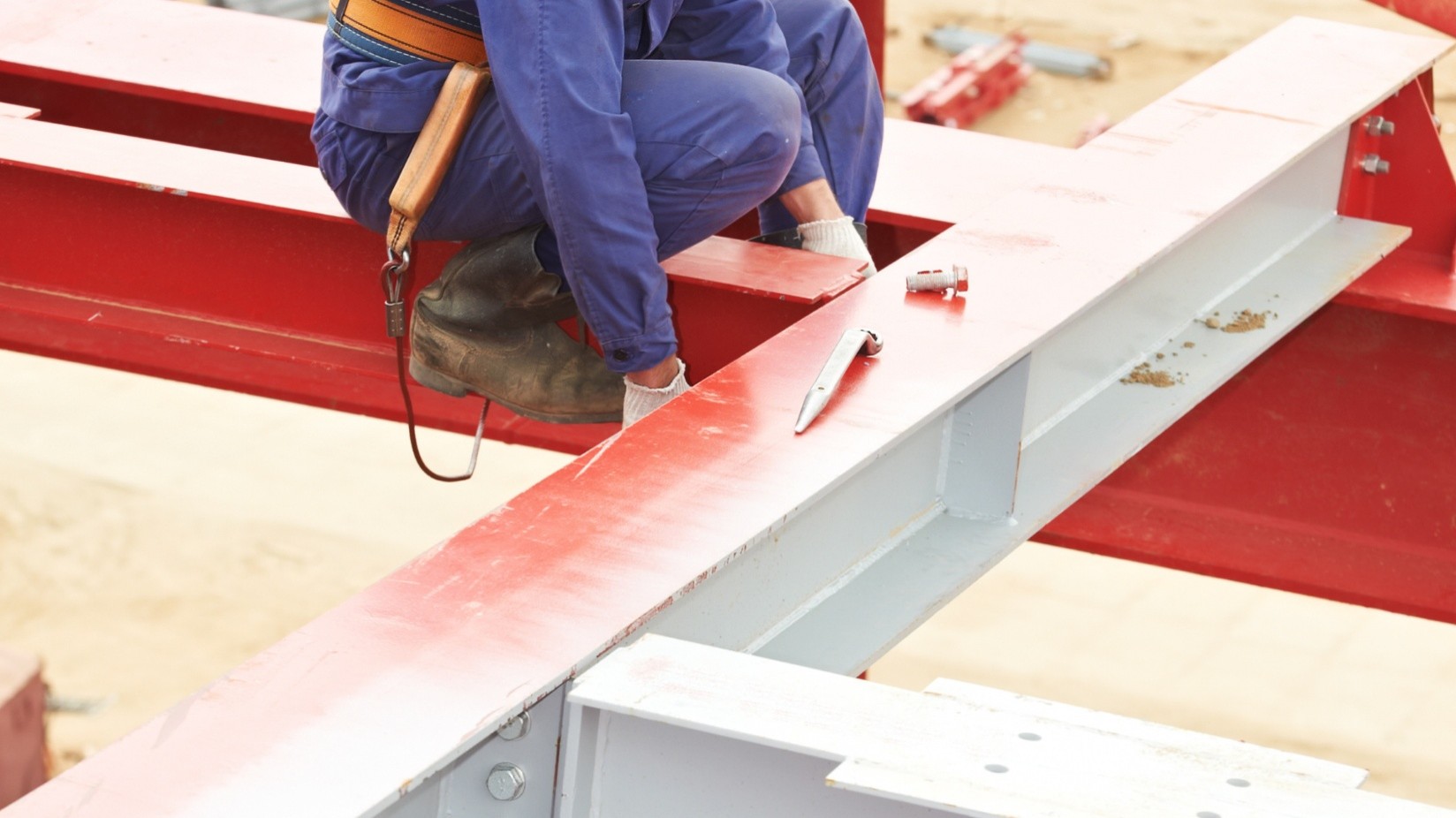
A rigging plan should answer basic questions in plain language. What is being lifted? What does it weigh? Where are the approved pick points? What is the travel path? Who is signaling? What happens if the weather changes, a doorway is tighter than expected, or the floor cannot handle the load?For industrial machine relocation in Kansas City, those details are not paperwork for paperwork’s sake. They keep people from improvising around heavy, expensive equipment. The plan also confirms the working load limits of slings, shackles, chains, hooks, and lifting devices. Each component has to be rated for the job, inspected before use, and used at the correct angle. A safe move also needs clear communication. One person should be in charge of signals. Travel paths should be marked. Nonessential people should be kept out of the area. When everyone knows the plan, the lift gets calmer. Calm is underrated in rigging.
Once the equipment is ready, the team raises it slowly, checks balance, and makes small adjustments before committing to the move. That first few inches can tell you a lot. If the load shifts, binds, or behaves differently than expected, the team can stop and correct it before the risk gets bigger. Transport is its own phase. Machines may need custom cribbing, blocking, weather protection, or special permits depending on size and route. At the new plant, the process runs in reverse, but not casually. The receiving area has to be ready. Floors, foundations, anchors, and access points should be checked before the truck arrives. When machines land, placement is not the finish line. Leveling, anchoring, alignment, and utility reconnection all affect performance. That is why plant moves often overlap with industrial machine installation in Kansas City. A machine that is moved safely but installed poorly can still create vibration, wear, product defects, or early failure.
Why conveyors and connected systems need extra care
Standalone machines are one thing. Connected systems are trickier. Conveyors, packaging lines, process equipment, platforms, and guarding often depend on precise spacing. A small change in elevation or alignment can cause problems once the line starts back up. If a relocation includes material handling, a conveyor installation contractor in Kansas City can help plan the layout before equipment is reset. That includes belt tracking, transitions, supports, guarding, and access for maintenance. It is much easier to solve those questions before the line is bolted down. The same thinking applies to utilities and preventive work. Pairing the move with industrial maintenance services in Kansas City gives the plant a chance to inspect wear items, replace damaged components, and address issues that were hard to reach while the machine was in its old position.
A solid millwright contractor in Kansas City should ask detailed questions before quoting the work. They should want equipment specs, drawings if available, site photos, production constraints, and details about both buildings. If they do not ask about access, weight, utilities, and schedule, that is a warning sign. The best rigging crews bring a practical mix of caution and problem-solving. They know when to slow down. They know when a machine needs more support. They know that protecting the customer’s equipment is part of protecting the customer’s business. For a plant relocation, industrial machine relocation in Kansas City is really a coordination job wrapped around a heavy lift. The physical move matters, of course. But the bigger value is getting the equipment out, transported, set, aligned, and ready to run with fewer surprises. That is what keeps a relocation from turning into a long, expensive scramble.
FAQs
How early should a plant start planning a heavy equipment move?
Earlier than most teams think. If the move involves large machines, tight access, utility disconnects, or weekend downtime, planning several weeks ahead gives the rigging team time to inspect both sites and build a realistic schedule.
Does every plant relocation require a crane?
Usually not. Some machines can be moved with forklifts, skates, jacks, or gantry systems. The right equipment depends on the machine weight, center of gravity, building access, ceiling height, and travel path.
What makes industrial machine relocation in Kansas City different from regular equipment hauling?
The rigging work is the difference. It includes planning the lift, protecting the machine, controlling the load, moving through the plant safely, and setting the equipment so it can be aligned and put back into service.
Are you searching for professional millwright services in the KC Metro Area? Contact our team at Jayhawk Millwright today!
At Jayhawk Millwright, your operation shouldn’t slow down because of equipment issues. You don’t need long delays or confusing service plans. We listen to what your facility needs. Then deliver that dependable millwright work. Our installs, fabrication, and maintenance will keep you running.
No guesswork. No shortcuts. Just solid craftsmanship from a team that understands industrial demands.
Ready to schedule service or talk through a project? Call us at (913) 371-5212 or reach out through our Contact Us page. We’ll help you keep things moving the way they should.