
A guard built to an old machine position may no longer fit after a line is moved or a maintenance opening changes. A plant can also recognize a hazard in a production area that never had a practical barrier. In either case, the fabrication question is only part of the job. We need to know what motion or exposure must be controlled, how operators use the machine, and how maintenance can access it when the equipment is safely isolated. For a Kansas City manufacturer choosing a metal fabrication partner, a strong proposal defines that interface before steel is cut.
Define the Hazard and the Operating Task
We would start with the machine owner, maintenance lead, and safety representative. Where are the moving parts, pinch points, or other exposures? When does an employee approach the equipment? Does an operator clear product, change tooling, or observe the process through the proposed barrier? A guard that closes an opening but forces workers to remove it during normal operation can create a new problem. The process team has to describe the work that happens at the machine, including infrequent tasks that a daytime walkthrough may miss.
The OSHA general machine guarding requirement addresses protection from hazards such as point of operation, ingoing nip points, rotating parts, and flying chips or sparks. A fabricated guard must be assessed against the actual machine and applicable requirements; citing the rule does not certify a particular design. The employer and qualified safety or engineering personnel should determine the needed protection and any controls before installation. We can fabricate to an approved scope and coordinate fit, but we should not promise that a piece of sheet metal alone resolves every machine safety question.
Consider a packaging machine moved beside a different conveyor. The former guard covers the drive area, yet a new transfer exposes a pinch point at the interface. An improvised panel might hide that gap but block product cleanup. We would ask the plant to define normal access and the hazardous zone, then review a guard configuration that maintains a usable maintenance route. The example shows why a retrofit often needs field dimensions and an agreed operating method rather than a copy of the original barrier.
Turn the Scope Into Buildable Details
The guard request should identify coverage, mounting surfaces, required visibility, removal method, surrounding equipment, and the space available for doors or panels to swing. We would verify whether the support can attach to the machine frame, a separate structure, or another approved location. A sketch may show enough to start discussion but not enough to cut, weld, and finish. The final design basis must identify tolerances, fasteners, and any parts or utilities the guard must not contact.
Jayhawk includes machine guarding in its Kansas City metal fabrication services. Our stated shop capabilities include cutting, welding, machining, and finishing, which can support a guard with brackets, panels, and access features. The selection still depends on the approved design and environment. A washdown setting, a hot process, and a dusty shop may need different materials and maintenance details. We would ask for the plant’s equipment specifications and any required review before issuing a final fabrication proposal.
One important boundary is controls. If opening a guard must stop a machine, an interlock and its integration belong with qualified controls and safety personnel. We would not treat a hinge as an interlock or imply that a mechanical guard automatically addresses stored energy. Likewise, a guard can improve separation from a hazard while remaining compatible with an established lockout procedure for servicing. The responsibilities for controls, installation, testing, and approval should be stated in the scope.
Plan for Installation on a Live Site
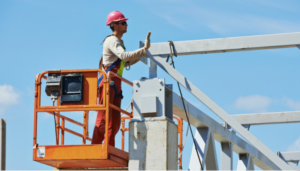
Field fit can be complicated by nearby piping, cable trays, an existing platform, or guards on adjacent equipment. We would inspect those constraints and ask what will be moved or temporarily protected during installation. The plant should also confirm its access rules, shutdown window, permit process, and isolation procedure. We can estimate fabrication in the shop, but the line must be available for the agreed measurements, fitting, and verification at the site.
Our millwright installation and modification work can be relevant when guarding follows a machine move or a reworked support. A guard mounted against a machine whose final alignment is unresolved may require rework. We would sequence the base or equipment change first, verify the operating position, and then confirm the guard’s fit under the approved plan. That coordination can save time during the outage, though the plant still controls the final restart decision.
We would name what a successful fit test includes. Can every panel close and latch as intended? Are access doors clear of the adjacent structure? Can the operator perform normal tasks without bypassing the arrangement? Are labels, visibility, and inspection points addressed by the approved design? These are questions for a documented review, not claims that one generic guard satisfies every machine. If the plant discovers an unanticipated exposure during the test, the team should stop and revise the scope.
Compare Bids on Responsibility, Not Only Steel
A plant evaluating bids should ask each provider what information it needs before cutting material. The answer should cover drawings, site measurements, hazard assessment ownership, installation access, finish, change control, and acceptance testing. One quote may cover only fabricated panels delivered to the dock. Another may include measuring, installation, and a fit review. Those are different purchases even when the line item reads “machine guard.”
We would put open assumptions in writing. If the machine manufacturer must approve a modification, the plant should identify that step. If the guard requires engineered support or a controls change, the appropriate professional should be involved before work is ordered. We can propose a practical fabrication and installation scope, but we should not hide a missing design decision inside a fixed price. Transparent boundaries help the customer choose the right team and give the installer something measurable to deliver.
After installation, the plant should retain the approved drawing or as-built record, any maintenance access instructions, and results of its safety review. A retrofit may need future removal for servicing, so the people who work on the machine must know how it fits with isolation and restart procedures. A clean handoff turns a fabricated guard into a maintainable part of the line, rather than an unexplained modification that only the installer understands.
Kansas City metal fabrication services can help a manufacturer translate an approved guarding need into a component that fits the actual machine and the way people use it. The buyer’s decision should turn on scope, coordination, and verified fit as well as workmanship. We can help define the work we would perform and the plant’s approvals before the shutdown clock starts.
Frequently Asked Questions
Can a fabricator certify that a guard makes our machine compliant?
A fabricator can build and fit a guard to an agreed design, but the employer and qualified safety or engineering personnel need to evaluate the machine, applicable requirements, and any controls. The scope should identify who performs that review.
Should a guard be built before the machine is moved?
Preliminary design can begin early, but mounting points and surrounding clearance should be checked against the machine’s final position. We would define what can be fabricated in advance and what needs a field confirmation.
What should happen if the guard blocks maintenance?
The plant should raise that conflict before approving the design or restarting equipment. We would review the task and revise the agreed configuration with the relevant safety and maintenance personnel. 
At Jayhawk Millwright, your operation shouldn’t slow down because of equipment issues. You don’t need long delays or confusing service plans. We listen to what your facility needs. Then deliver that dependable millwright work. Our installs, fabrication, and maintenance will keep you running.
No guesswork. No shortcuts. Just solid craftsmanship from a team that understands industrial maintenance services in Kansas City.
Ready to schedule service or talk through a project? Call us at (913) 371-5212 or reach out through our Contact Us page. We’ll help you keep things moving the way they should.