Moving heavy industrial equipment is never as simple as disconnecting a few wires and hauling a machine to its next location. Every move affects production schedules, utility connections, safety, and the long-term performance of your equipment. That’s why businesses planning industrial machine relocation in Kansas City often rely on experienced millwrights to handle the process from start to finish. The right team helps minimize downtime, protects valuable machinery, and gets your operation back up and running with confidence.
A Successful Move Starts Long Before Moving Day
Most manufacturers don’t relocate equipment very often, which is why it’s easy to underestimate everything involved. On paper, moving a machine across the plant—or across town—may sound straightforward. In reality, every relocation involves planning, coordination, precision, and experience. We’ve seen projects where a single piece of equipment turned into an entire facility upgrade because one change affected everything around it. We’ve also seen how good planning prevents last-minute surprises. At Jayhawk Millwright, we approach every relocation with one goal in mind: helping your operation move forward without creating unnecessary downtime or costly setbacks.
Industrial machinery isn’t designed to be moved on a regular basis. Once it’s installed, it’s carefully leveled, aligned, anchored, and connected to electrical, pneumatic, hydraulic, and mechanical systems that all work together. When that equipment needs to move, every one of those connections has to be handled correctly. That’s what makes industrial machine relocation in Kansas City much different than simply transporting heavy equipment. Before the first machine is disconnected, experienced millwrights evaluate the existing layout, identify utility connections, document measurements, and develop a relocation plan that keeps the project organized from beginning to end. Many companies also choose to complete industrial machine installation in Kansas City during the same shutdown. If production is already paused, it often makes sense to install new equipment, replace aging machinery, or improve the overall production layout before operations resume.
Our Approach to Equipment Relocation
No two facilities operate exactly alike, and that’s why every relocation starts with understanding how your plant functions. We begin by walking through the project with your team. Production schedules, access points, equipment sizes, utility connections, and safety considerations are all reviewed before work begins. Spending extra time planning usually saves far more time once the relocation is underway. As equipment is disconnected, every connection is documented and labeled to make reinstallation more efficient. Machinery is then rigged and moved using equipment designed for heavy industrial applications. Once each machine reaches its new location, our work isn’t finished. Equipment is positioned, leveled, aligned, reconnected, and tested before it’s returned to production. Those final adjustments are often what determine how smoothly your operation performs after the move.
When Should You Bring in a Millwright?
Every relocation project is different, but there are several situations where professional millwright support becomes especially valuable.
You’re Expanding or Moving to a New Facility
Growth is exciting, but moving production equipment into a new building involves much more than transportation. Contractors, electricians, plumbers, and maintenance personnel all need to stay on schedule while production managers work to minimize downtime. Bringing in experienced millwrights early helps coordinate those moving pieces before small issues become larger delays.
Your Production Floor Has Outgrown Its Original Layout
Most manufacturing plants change over time. New machines are added. Production lines expand. Equipment gets repositioned to make room for growth. Eventually, the layout that worked years ago may no longer support the way your operation runs today. That’s often when companies invest in millwright services in Kansas City. Relocating equipment creates an opportunity to improve production flow, create better access for maintenance, and make more efficient use of available floor space.
You’re Adding New Equipment
If you’re already planning a shutdown, it often makes financial and operational sense to complete industrial machine installation in Kansas City at the same time. Installing new machinery during a planned relocation helps avoid scheduling another production interruption later. It also allows the new equipment to be integrated into the updated layout before operations restart. Every hour equipment sits idle affects productivity. Experienced millwrights help reduce downtime by organizing each phase of the relocation before work begins. Instead of solving problems after they appear, the goal is to anticipate challenges early so the project continues moving forward. Industrial equipment depends on proper installation. Motors, gearboxes, pumps, conveyors, and rotating assemblies all perform best when they’re aligned within manufacturer specifications. Even slight misalignment can contribute to unnecessary wear over time. That’s why experienced millwrights take the time to verify measurements rather than rushing through the installation process.
Relocation Is Also a Good Time to Improve Your Facility
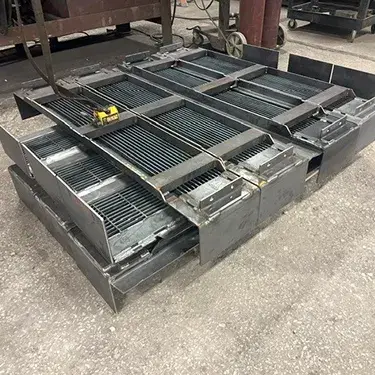
One thing we’ve noticed over the years is that relocation projects often reveal opportunities to improve other parts of the operation. For example, machine supports, platforms, or equipment guards may need to be modified after machinery is repositioned. Completing those improvements with Kansas City metal fabrication services during the relocation helps avoid another shutdown later. Material handling systems also deserve attention. If equipment locations change, conveyors often need to move as well. Working with a trusted conveyor installation contractor in Kansas City helps maintain efficient product flow throughout the facility instead of creating new bottlenecks. A planned shutdown is also an excellent opportunity to inspect machinery for wear. Many manufacturers schedule industrial maintenance services in Kansas City during relocation projects because equipment is already offline, making routine inspections and component replacement much easier.
Relocating industrial machinery is an investment, and hiring experienced professionals helps protect that investment. A properly planned relocation can reduce production downtime, improve equipment reliability, and help prevent costly installation errors. Precision alignment, careful rigging, and thorough startup testing all contribute to equipment that performs the way it’s supposed to once production resumes. Professional millwrights also help improve workplace safety during heavy equipment moves by following established lifting procedures and coordinating with other trades throughout the project. Most importantly, experienced crews understand that every relocation affects your business. Their job isn’t simply to move machinery—it’s to help your operation return to full production as efficiently as possible.
Industries We Serve Throughout Kansas City
Equipment relocation happens across nearly every industrial sector. Manufacturers relocate production lines during expansions. Distribution centers reconfigure material handling systems as demand grows. Food processing facilities update equipment layouts to improve efficiency. Fabrication shops add machinery to increase production capacity. Every facility has different priorities, which is why every relocation project requires a customized approach rather than a standard checklist.
Why Choose Jayhawk Millwright?
At Jayhawk Millwright, we understand that relocating equipment affects much more than machinery. It affects schedules, employees, production goals, and ultimately your bottom line. Our experienced team works closely with plant managers, maintenance personnel, contractors, and project leaders to keep every phase of the relocation organized and efficient. From planning and rigging to alignment and startup, we focus on completing every project with precision, safety, and attention to detail. Whether you’re moving one machine or an entire production line, we’re committed to helping your facility return to operation with confidence.
How early should I contact a millwright before relocating equipment?
The earlier, the better. Larger relocation projects often require coordinating contractors, utilities, transportation, and production schedules. Planning ahead helps reduce delays and allows the project to stay organized from start to finish.
Can relocation and equipment installation happen during the same shutdown?
Yes. Many manufacturers combine relocation with industrial machine installation in Kansas City to reduce future downtime and complete multiple improvements during one scheduled production outage.
Why hire professional millwrights for equipment relocation?
Industrial equipment is expensive and designed to operate within tight tolerances. Professional millwrights help ensure machinery is moved safely, installed accurately, and tested thoroughly before production resumes, reducing the risk of unnecessary downtime or equipment issues.
Ready to Plan Your Equipment Relocation?
If your facility is preparing for industrial machine relocation in Kansas City, having the right team involved from the beginning can make the entire project smoother. At Jayhawk Millwright, we help manufacturers relocate, install, align, and restart critical equipment while keeping safety, efficiency, and production goals at the center of every project. Contact us today to discuss your upcoming relocation and learn how we can help your operation move forward with confidence.
Are you searching for professional millwright services in the KC Metro Area? Contact our team at Jayhawk Millwright today!
At Jayhawk Millwright, your operation shouldn’t slow down because of equipment issues. You don’t need long delays or confusing service plans. We listen to what your facility needs. Then deliver that dependable millwright work. Our installs, fabrication, and maintenance will keep you running.
No guesswork. No shortcuts. Just solid craftsmanship from a team that understands industrial demands.
Ready to schedule service or talk through a project? Call us at (913) 371-5212 or reach out through our Contact Us page. We’ll help you keep things moving the way they should.